 Tyler Brooks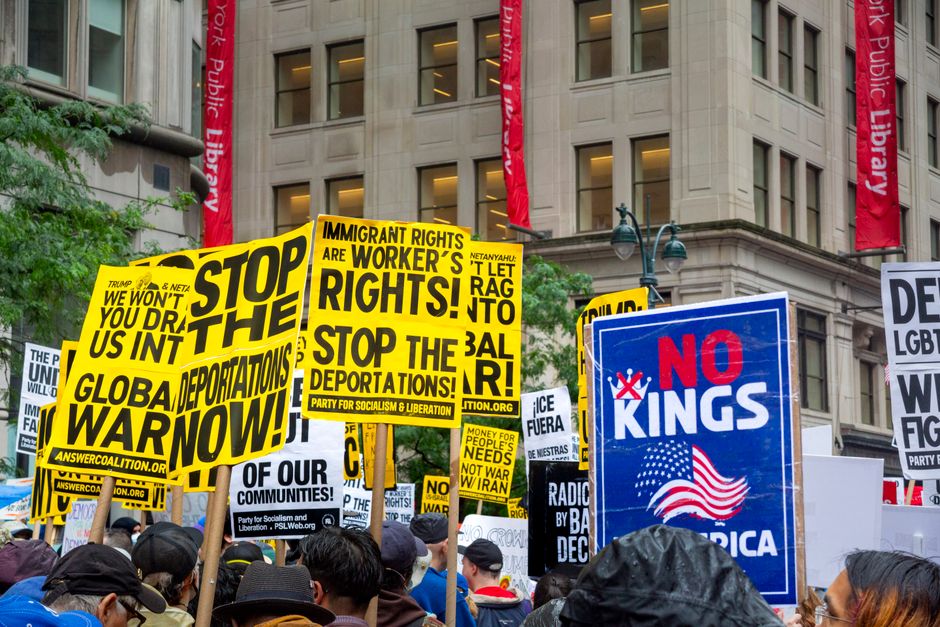
The July 6 Xbox purge didn’t just wipe out 3,200 jobs. It revealed something uglier: two classes of game workers sitting side by side in the same studios, and only one of them had any legal protection when the ax fell. That split wasn’t random. It followed exactly one variable, which contract was finished and which wasn’t.
Here’s what I kept coming back to when I dug into what actually happened. Blizzard QA workers ratified their CWA contract in February 2026. Raven Software QA ratified in August 2025. When Microsoft moved on July 6, those workers had contractually enforceable advance-notice requirements and recall rights. Their colleagues at OneBGS and BGS Montreal? Still bargaining. No contract. No floor. The CWA confirmed 440 of the eliminated positions were union-represented members, and the workers who fared worst were the ones whose units had organized but hadn’t crossed the finish line yet. That’s not bad luck. That’s a structural vulnerability that every studio in the middle of a union campaign needs to understand right now.
- Studios with ratified contracts (Blizzard QA Feb 2026, Raven QA Aug 2025) had enforceable notice and recall rights; bargaining units did not.
- Microsoft allegedly cut bargaining sessions from 12 to 4 hours per month before the July 6 cuts, widening the protection gap deliberately.
- 3,200 Xbox jobs were eliminated starting July 6, roughly one-fifth of Microsoft's entire gaming division.
- On July 15, OneBGS staged the first multi-city labor action in gaming history across six locations in four cities.
- 82% of U.S. game workers now support unionization per GDC 2026 data, up with each layoff wave.
The Gap Between Organizing and Protecting Is Where You Die
I’ll be honest: before I looked closely at the Xbox situation, I assumed union membership itself provided meaningful protection. It doesn’t, not until the contract is signed. The gap between “we voted yes” and “we have a ratified agreement” can stretch months or years, and during that window you’re still an at-will employee in almost every practical sense.
What surprised me was the allegation about bargaining pace. The CWA, in its Unfair Labor Practice charges filed with the NLRB on July 15, accused Microsoft of deliberately slowing sessions from 12 hours per month down to just 4 hours per month. If that allegation holds up, it means the protection gap wasn’t incidental. It was managed. You slow the clock, you keep more workers in the unprotected zone longer, and then you move when that calculus is most favorable. CWA Canada filed parallel legal action the same day, making this a cross-border ULP situation that has no real precedent in gaming labor history.
The practical takeaway for any studio mid-bargaining right now is blunt: session hours are not a courtesy negotiation. They are a risk timeline. Every month of delayed ratification is a month your members are exposed.
What a Ratified Contract Actually Buys You vs. What It Doesn’t
This is where the research gets specific and worth laying out directly, because people conflate “union protection” into a single thing when it’s actually a stack of separate provisions, each of which has to be bargained and ratified to exist.
| Protection | Pre-contract (organizing phase) | Post-ratification |
|---|---|---|
| Advance layoff notice | None enforceable | Contractually required |
| Recall rights after layoff | None | Can be bargained in |
| Just-cause termination standard | No, at-will applies | Depends on contract language |
| Grievance and arbitration access | No | Yes |
| Bargaining obligation on mass layoffs | Limited | Stronger duty to bargain |
The Blizzard QA and Raven QA workers had those second-column protections. OneBGS and BGS Montreal workers did not. That table isn’t abstract. It’s the difference between having legal recourse after July 6 and showing up to a protest march as your only option.
Why 82% Support Numbers Haven’t Translated to 82% Protection
The GDC 2026 State of the Game Industry survey ran with over 2,300 respondents and found 82% of U.S.-based game workers support unionization, with 62% of non-unionized developers saying they want to join. Those numbers keep climbing with each layoff cycle. More than 3,500 Xbox employees had joined CWA unions since Microsoft’s 2022 labor neutrality agreement. That’s real organizing momentum.
But organizing momentum and contract protection are two separate things, and the Xbox situation makes that gap concrete in a way that surveys can’t. You can have overwhelming member support, active organizing, signed authorization cards, a certified bargaining unit, and still have zero enforceable protections on the day layoffs land. The lag is structural. NLRB certification, first contract bargaining, reaching tentative agreements on every article, ratification votes: each step takes time, and time is the thing companies under financial pressure don’t give you.
What the OneBGS March Actually Signals
On July 15, OneBGS members staged coordinated actions at six Xbox locations across Rockville, Austin, Dallas, and Montreal. According to TechTimes, it was the first coordinated multi-city labor action in gaming industry history. That’s a milestone worth sitting with. The gaming labor movement has been building toward this kind of geographic coordination for years, and the Xbox purge is what finally forced it into existence.
What it signals practically: workers without contract protection are shifting to public pressure as the enforcement mechanism, because they have no legal mechanism yet. That’s a rational response to the situation they’re in, but it’s also a demonstration of exactly why ratification speed matters. The march is what organizing-without-a-contract looks like when the cuts come. A signed agreement is what recourse looks like.
The NLRB charges and the Canadian parallel action are longer-term plays. If the bad-faith bargaining allegations are substantiated, Microsoft could face remedies including mandatory resumed bargaining at a meaningful pace. But NLRB processes move slowly, and workers who’ve already lost jobs don’t have the luxury of waiting for administrative timelines.
The studios watching this from the outside, and there are a lot of them, need to read what happened here as a sequencing problem as much as a labor rights problem. The protection isn’t in the vote. It’s in the ratified agreement. Everything between those two moments is exposure, and right now, in July 2026, that exposure has a body count.
Sources
- Game Workers March at Six Xbox Studios Over 440 Union Cuts and Stalled Contracts (July 15, 2026)
- Xbox Layoffs 2026: 3,200 Cut, 4 Studios Shed (July 2026)
- Microsoft Accused of Unfair Labor Practices by US and Canadian Video Game Unions (July 15, 2026)
- Bethesda Workers March Wednesday as Microsoft Stalls Union Talks After 440 Cuts (July 13, 2026)
- Union Video Game Workers Fight for Rights Amidst Xbox Layoffs (July 7, 2026)
- Union Workers Rally Against Xbox Layoffs at Richardson Protest (July 15, 2026)
Photo: Anders Zernike via Pexels