 Tyler Brooks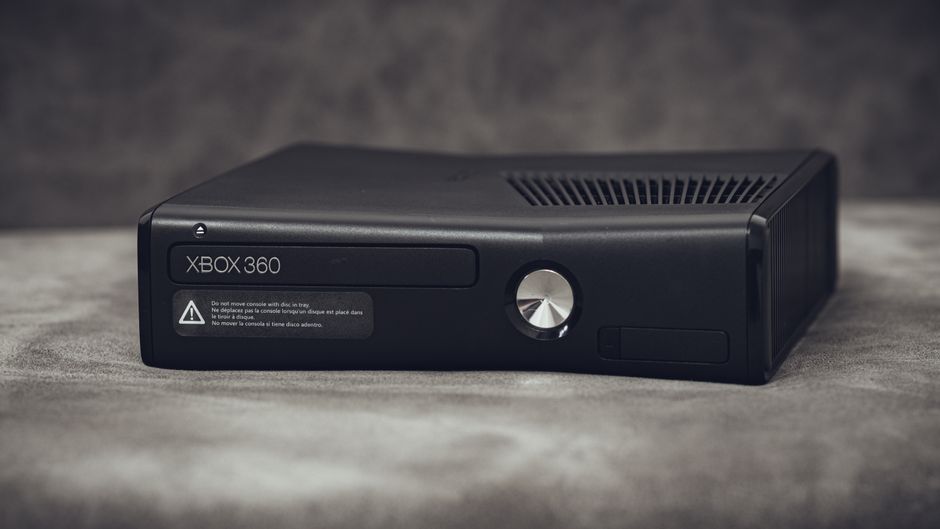
If you’re building a game with ID@Xbox in mind, or you’ve been banking on a Game Pass day-one slot to get traction at launch, this week’s memo is worth taking seriously. On June 10, 2026, Xbox CEO Asha Sharma and CCO Matt Booty sent out an internal memo calling it a company “reset.” Bloomberg confirmed that significant layoffs are coming after Microsoft’s fiscal year closes on June 30. This isn’t your typical restructuring talk. The memo spells out a nearly $500 million annual revenue decline over five years and a Xbox division running at just 3% profit margins despite nearly $20 billion in spending. When a division that size starts talking resets, the smallest partners feel it hardest.
What the Memo Actually Signals
“Reset” does a lot of work in that sentence. It’s not “refocus” or “streamline.” It signals something more fundamental is being rethought. The Verge’s sources indicate at least one studio closure is happening, plus steep cuts to marketing budgets across Xbox Game Studios. That second part matters most for indie developers.
Here’s what I tell people when they ask about platform partnerships: the visible deal is never the whole deal. An ID@Xbox agreement doesn’t just hand you distribution or a Game Pass slot. You’re also getting co-marketing support, dashboard featuring, editorial spotlights. Those are what actually drive downloads. When marketing budgets get slashed, that visibility pipeline thins fast. Smaller games get deprioritized quicker than you’d think, because the teams cutting them are trying to survive layoffs themselves.
This memo lands eleven months after Microsoft laid off roughly 9,000 people company-wide in July 2025, hitting King, ZeniMax, and Turn 10. Another round this soon says the first cuts didn’t fix whatever’s actually broken in the financials.
The Game Pass Math Is Getting Harder for Indie Games
Should you still be trying to land a Game Pass day-one deal for your indie game? It’s more complicated now than it was a year and a half ago.
Xbox is tightening focus around flagship franchises. Call of Duty, Minecraft, Elder Scrolls. These justify Game Pass subscriptions at scale. Practically speaking, that means a “more cautious approach to mid-tier experiments,” as Game Developer reported this week. You should read that carefully if your game lives in the mid-tier. That’s where most serious indie projects sit.
Indie Game Pass deals historically came two ways: a flat upfront fee, or a revenue share based on plays. Both depend on Xbox having budget and catalog space to allocate to your game. When the platform needs to justify every dollar, the experimental catalog slots disappear first. The flagships don’t need pitching. Your hand-painted metroidvania does.
Game Pass isn’t dead for indie games. The bar just got higher, and whatever marketing support comes attached will be thinner. If you’ve been talking to ID@Xbox and things went quiet after June 10, that’s probably not coincidence.
The Broader Industry Context Makes This Harder to Absorb
| Event | Date | Impact |
|---|---|---|
| Microsoft company-wide layoffs | July 2025 | ~9,000 people; hit King, ZeniMax, Turn 10 |
| Xbox reset memo issued | June 10, 2026 | $500M annual revenue decline over 5 years; 3% profit margins |
| TiMi Montreal shutdown | February 2026 | Tencent closure |
| Bluepoint Games closure | March 2026 | Sony closure |
| Xbox layoffs expected | After June 30, 2026 | Following fiscal year close |
You could look at Xbox in isolation, but the timing is brutal because this lands on an industry already wrecked. Gaming has lost over 20,000 jobs in two years. 2026 alone has seen TiMi Montreal shut down by Tencent in February and Bluepoint Games closed by Sony in March. Xbox’s reset fits a pattern where every major platform holder is cutting costs, and mid-tier and experimental projects are consistently the casualties.
For indie developers, this narrows the available safe harbors. A few years ago, you could build a solid multiplatform strategy around Steam, Xbox, and PlayStation, each offering some visibility support. That support infrastructure is shrinking on multiple fronts at once.
What to Actually Do With This Information
Don’t panic. Don’t scrap your Xbox plans entirely. But this moment calls for real pressure-testing of your assumptions.
If a Game Pass licensing deal is load-bearing to your game’s financial viability, meaning you need that upfront payment to make the numbers work, you need a backup plan. Not vague. Something concrete with its own revenue projections. Steam remains the most resilient platform for indie games because it doesn’t depend on one company’s internal financial health. Epic Games Store deal funding has continued into 2026, though it’s gotten more selective. Neither is perfect, but both avoid Xbox’s internal reset dynamics.
If you’re in active ID@Xbox conversations, keep them going. Don’t pause your launch planning waiting for them to conclude. Push for timeline clarity. Ask point-blank about marketing commitments and what’s changed since the memo. The ID@Xbox team is probably dealing with their own uncertainty around headcount and budgets. You’re entitled to honest questions about what the partnership looks like after June 30.
If you’re earlier in development, revisit whether your game actually needs platform support to succeed, or whether it can find its audience organically. Games that depend on a platform marketing engine are exposed to exactly this disruption. Games with community momentum before launch aren’t.
The Xbox reset is real, and it has real consequences for indie developers built into that ecosystem. It’s also just another data point in an industry that’s been reshaping itself for two years. The developers who survive this are treating every platform partnership as upside, not plan A.
Sources
- Xbox announces business ‘reset’ amid reports of layoffs and studio closures (June 11, 2026)
- Xbox July Layoffs Confirmed as CEO Sharma Eyes Affordable Console Tier (June 12, 2026)
- Xbox Reset 2026: New Layoffs Loom After $68.7B Bet (June 12, 2026)
- Microsoft’s Xbox Reset Triggers a Fresh Round of Layoffs (June 12, 2026)
- Every Video Game Layoff and Studio Closure in 2026 So Far (updated March 2026)
Photo: Mahmoud Yahyaoui via Pexels