 Stephen Brenish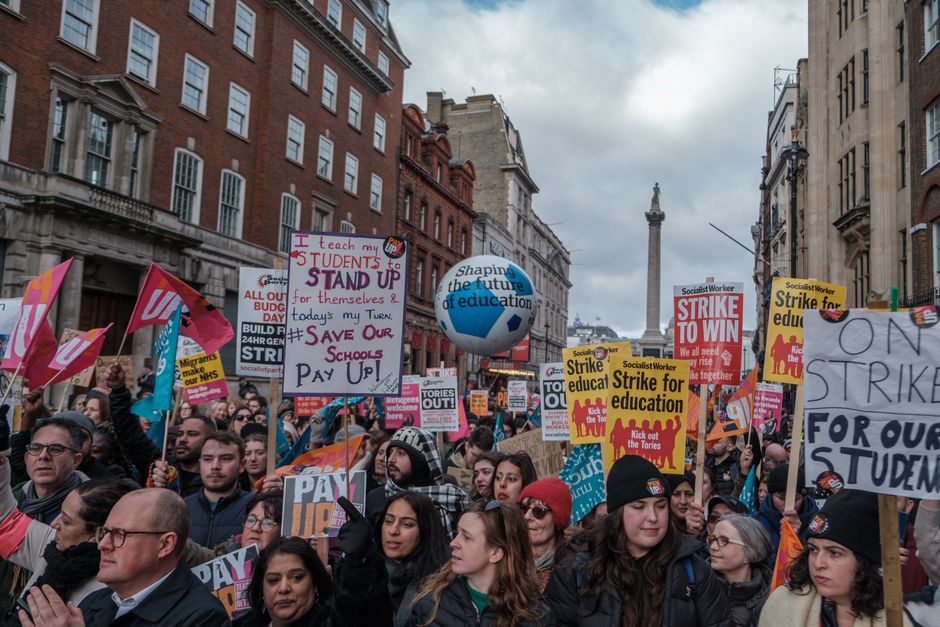
Assassin’s Creed Black Flag Resynced launched on July 9, 2026, sold over 2 million copies in its first 24 hours, and within days the studio that built it announced 51 layoffs. That’s not a typo. Ubisoft Barcelona shipped one of the fastest-selling games of the year, and roughly 28% of its workforce got cut anyway. If you’ve ever told yourself “once this game ships, things will stabilize,” this story is a direct challenge to that belief.
The Barcelona developers didn’t take it quietly. Represented by the Coordinadora Sindical del Videojuego, the CSVI union, workers struck from June 30 through July 16, demanding job reinstatement, a five-year guarantee against future collective layoffs, and restoration of 60% remote-work flexibility. A union rep told IGN that the severance offers on the table were “far below the minimum expected” and actually lower than payouts given to previously laid-off employees at the same studio. According to Game Informer’s reporting from July 14, the union explicitly warned the strike could become indefinite if management didn’t improve those numbers.
This didn’t happen in a vacuum. Ubisoft’s June 2026 restructuring hit nearly 400 employees total: Ubisoft Winnipeg and Ubisoft Belgrade were closed outright, San Francisco saw IT and marketing cuts, and 12% of the Rainbow Six Siege team was let go. And on July 6, just days into the Barcelona strike, Xbox fired thousands and shut five studios, including effectively ending Romero Games after Microsoft pulled funding. One staffer wrote publicly that “our whole studio is being let go because of the layoffs at Microsoft.”
- Ubisoft Barcelona cut 51 workers (28% of staff) days after Black Flag Resynced hit 2 million sales in 24 hours.
- CSVI union strikers demanded a five-year layoff guarantee and 60% remote work, not just better severance.
- GDC data counts 45,000 game industry jobs lost since 2022; tech reporting says 1 in 3 US devs were cut in 2026.
- Severance offered to Barcelona workers was reportedly lower than payouts to previously laid-off staff at the same studio.
- The Xbox wave on July 6 killed five studios the same week, showing this is systemic, not isolated.
Commercial Success Is Not a Shield
Here’s what the Barcelona situation makes undeniable: a game selling 2 million copies in one day does not protect the people who made it. I’ve seen this pattern inside AAA more times than I’d like to admit. A project ships, the company books the revenue, and then restructuring decisions that were probably made weeks or months earlier get announced. The commercial performance of a single title rarely changes a parent company’s labor calculus when they’re executing a broader cost-reduction plan.
What most people don’t realize is that the decision to cut staff in Barcelona was almost certainly in motion before Black Flag Resynced ever hit store pages. Big studio restructuring at this scale, 400 people across multiple sites, doesn’t get drafted and executed in a week. The game’s success might have made the optics worse, but the spreadsheet that justified the cuts existed long before launch day.
This matters for how you think about your own career. Working on a high-profile, commercially successful project feels like the safest place to be. It isn’t. Not anymore.
The Scale of What’s Actually Happening
The numbers here are genuinely staggering and worth sitting with. GDC data puts industry job losses at 45,000 since 2022. Tech-Insider’s July 30 reporting indicates 1 in 3 US developers were cut in 2026 alone. That’s not a correction. That’s a collapse.
The Romero Games situation captures something specific about the Xbox wave that got less coverage than it deserved. This wasn’t a studio that shipped a flop. Microsoft pulled funding for an unannounced project, and the studio evaporated. No launch, no reviews, no player feedback loop that could have saved it. Just a line item disappearing from a budget somewhere in Redmond.
What the Barcelona Strike Actually Achieved (And What It Didn’t)
The CSVI union ran a real, sustained strike across two and a half weeks, which is not easy to do and deserves credit. Spanish labor law gave them more structural protection than most US-based developers would have, and they used it. Whether the strike changed outcomes meaningfully is a harder question.
Here’s an honest breakdown of what was in play:
| Demand | Outcome (as of July 2026) |
|---|---|
| Job reinstatement for all 51 workers | Not granted |
| Five-year collective layoff guarantee | Not confirmed in any reporting |
| Restoration of 60% remote-work flexibility | Contested, no resolution announced |
| Improved severance terms | Ongoing, strike threat kept pressure on |
The union’s strongest card was the indefinite strike threat. Management settling on severance is the most likely partial win here, but the structural demands, the guarantee against future layoffs, were always going to be the hardest sell to a company currently in cost-reduction mode across four continents.
What This Means If You Work at a Studio Right Now
If you’re a developer at a mid-to-large studio, the Barcelona story has a few practical lessons that aren’t obvious from the outside.
Unions work differently depending on where you are. Spanish workers had CSVI and labor protections that gave them real leverage. Most US developers don’t have that infrastructure yet, though the Game Workers Alliance, which organized at Sega of America and other studios, has been building it. If collective action is available to you, understanding your local legal context matters before anything else.
“The game is selling well” is not an argument your employer will make on your behalf in a restructuring meeting. Revenue from Black Flag Resynced flows up to Ubisoft SA’s financial statements. What the Barcelona studio costs is a separate line. This is how multi-studio corporate structures work, and it’s why individual studio commercial performance often doesn’t translate into job security when a parent company is in restructuring mode.
Contract terms, notice periods, and severance baselines are worth knowing before you need them. The Barcelona workers were fighting partly because the offered severance was worse than what previously laid-off colleagues received at the same studio. That inconsistency was a mobilizing fact. Knowing your own baseline is not paranoia. It’s information.
The Conversation the Industry Keeps Almost Having
The “shipped and fired” pattern isn’t new. What’s new is that it’s happening at a scale and a speed that makes it impossible to dismiss as exceptional. 45,000 jobs since 2022. Five studios shuttered in a single day in July 2026. A 51-person cut at a studio coming off a 2-million-copy opening day. At some point the industry has to reckon with the fact that the relationship between commercial success and employment stability has genuinely broken down, and hoping the next project will be different isn’t a labor strategy. The Barcelona workers figured that out. The strike didn’t fix everything. But they named the problem clearly, and that’s more than most.
Sources
- Game Informer , Ubisoft Barcelona Goes On Strike To Protest Layoffs (July 14, 2026)
- Game Developer , Ubisoft Barcelona Strikes Over Proposed Layoffs (July 1, 2026)
- Players.com.ua , Ubisoft Barcelona Strike: Developers Protest Layoffs Following Successful Release (July 2026)
- TechRadar , Romero Games Has Lost Funding Due to Microsoft Cuts (July 2026)
- Tech-Insider , Video Game Industry Layoffs 2026: 1 in 3 US Devs Cut (July 30, 2026)
- MSN / Outrun Gaming , Ubisoft Barcelona Staff Will Continue to Strike Until Fair Severance Pay Is Granted (July 2026)
Photo: Stan Platt-Jones via Pexels