 Samantha Roberts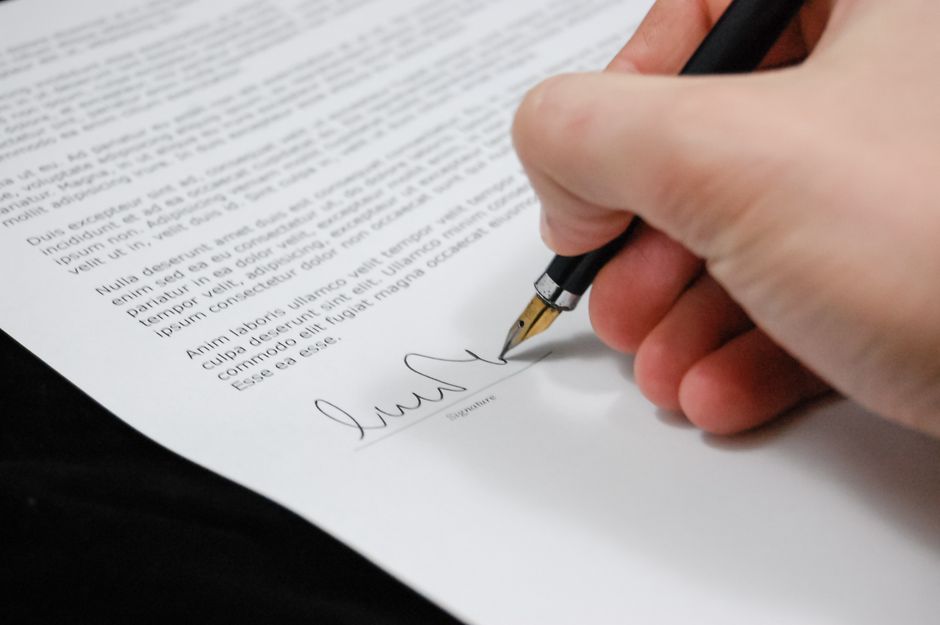
Most developers walk into publisher conversations thinking the hard part is getting a meeting. It’s not. The hard part is knowing what you’re signing.
I’ve seen this play out more times than I can count: a small team spends three years building something genuinely good, gets interest from a mid-tier publisher, and then signs a deal that hands over IP ownership, locks them into a 30% royalty after a $400,000 recoupable advance, and includes a sequel option clause they didn’t even notice. Two years later, the game undersells projections by 20%, recoupment never happens, and the developer makes nothing while the publisher owns everything they built.
You might be wondering if that’s the worst-case scenario or the typical one. Honestly? It’s closer to typical than most people want to admit.
Here’s the good news: publishing deals are negotiable. Almost every term on that first contract they send you is a starting position. The publishers who tell you “this is our standard agreement” are counting on the fact that you’ll believe them.
Understand What You Actually Have Before You Sit Down
Before you negotiate anything, you need an honest read on your leverage. This sounds obvious, but most developers overestimate it in some areas and underestimate it in others at the same time.
Your leverage comes from a few things: how many publishers are interested in your game (more than one changes everything), how far along your demo is, whether you have any press or community traction, and whether you could realistically self-publish if talks fell through. If you have one interested publisher and no real alternative, you’re negotiating from weakness. That doesn’t mean you can’t get a fair deal, but it does mean you should be realistic about which battles to fight.
I’d also strongly recommend getting a games-industry entertainment lawyer before you sign anything. Not your cousin who passed the bar. Someone who has read hundreds of game publishing agreements. Rina Shamilov at Shamilov Law has a good reputation in the indie space, as does Thomas Buscaglia (known in the community as “The Game Attorney”). Their fees are real ($300-500/hour is common) but they’ve saved clients from terms worth ten times that amount.
The Terms That Actually Matter
You’re probably wondering where to focus. Here’s what I tell people when they’re staring at a 40-page agreement for the first time.
Recoupment and royalty rates. This is where most deals quietly screw developers. A publisher offers you a $300,000 advance and a 50/50 revenue split, which sounds generous. But if “50/50” means 50% of net revenue after the publisher recoups from your share only, you’re in a hole from day one. Get clarity on whether recoupment comes from your royalty share or from the gross. The difference between those two structures can be $200,000 on a moderately successful game.
Royalty rates typically range from 25% to 50% for developer in the indie publishing space as of 2026, with the better rates usually coming attached to lower or no advances. If a publisher is offering a large advance, expect them to want a bigger share. That tradeoff is fair. What’s not fair is opaque accounting that makes it impossible to verify when you’ve recouped.
IP ownership. Push hard to retain your intellectual property. Some publishers, especially newer ones hungry for catalog, will negotiate on this. Others won’t. If you can’t keep full ownership, at minimum negotiate for IP reversion rights tied to sales thresholds or a defined license term. A clause that says rights revert to you if the game goes out of print or drops below a sales minimum protects you from a publisher just sitting on your IP indefinitely.
Platform and territory rights. Don’t grant rights you don’t need to grant. If a publisher is funding your PC release, they don’t automatically need console rights or mobile rights or rights in markets where they have no distribution capability. Grant rights specifically and include performance benchmarks that allow you to reclaim territory rights if the publisher fails to exercise them within a defined window, usually 12-18 months.
Sequel and first-look options. These are extremely common and extremely easy to agree to without realizing what you’ve done. A sequel option clause can effectively mean the publisher has a right of first refusal on your next game. That’s your next three years of work. If you can’t get it removed, cap the option period (90 days is reasonable), define what “matching” an offer means precisely, and make sure it only applies to direct sequels, not new IPs.
Marketing commitments. I made this mistake myself on an early contract. The publisher said they were “committed to marketing support” and I didn’t ask them to define that. Get a specific dollar amount and a list of minimum marketing activities in writing. “The publisher will spend no less than $75,000 on user acquisition and paid media prior to launch” is a real term. “Publisher will use commercially reasonable efforts to market the game” is not.
A Worked Example, Because Abstract Advice Only Gets You So Far
| Term | Initial Offer | Negotiated Result | Impact |
|---|---|---|---|
| Advance | $250,000 | $250,000 | Maintained |
| Royalty Rate | 30% post-recoup | 40% post-recoup | +10% per unit sold |
| IP Ownership | Publisher retains | Developer retains | Enables separate licensing |
| Sequel Option | No cap, unlimited | 90 days, direct sequel only | Protects future projects |
| Platform Rights | Full, permanent | Withheld pending milestones | Negotiates console rights |
| Territory Rights | Full, permanent | Performance-based reclaim | Allows recovery if underperforming |
Small studio, two developers, narrative puzzle game. One publisher offer on the table, $250,000 advance, 30% royalty post-recoup, publisher retains IP.
Initial offer: $250K advance, 30% royalty, publisher IP ownership, sequel option with no cap, full platform/territory rights granted permanently.
What they negotiated (with legal help over two rounds of revisions): $250K advance maintained, royalty increased to 40% post-recoup, IP retained by developer with perpetual license granted to publisher, sequel option limited to 90 days and direct sequel only, console rights withheld pending performance milestones.
Result: The game sold approximately 85,000 units in its first year at $19.99 average price. It didn’t fully recoup. But because the developer retained IP, they were able to license the property separately for a tabletop adaptation, which earned them an additional $40,000. Under the original terms, that money would have gone to the publisher or required their approval.
That’s the shape of what good negotiation actually produces. You’re not trying to win everything. You’re trying to protect the things that compound over time.
When to Walk Away
This is the conversation nobody wants to have, but you should think about it before you’re emotionally invested in a specific deal.
Some publishers won’t negotiate on IP ownership, ever. Some have standard royalty structures they won’t move because they’ve built their entire financial model around them. That’s their right. Your question is whether the deal they’re offering, as-is, is better than your alternatives.
Self-publishing is more viable today than it was even five years ago. If your game has Steam wishlist numbers above 50,000 and you have the operational capacity to handle launch, you may genuinely be better off keeping 100% of revenue and handling your own marketing budget. I don’t have clean data on the average self-pub vs. publishing deal breakeven comparison (it varies so wildly by genre and team size that any aggregate number would be misleading), but the math is worth running before you sign.
If a publisher is pressuring you to sign quickly, that’s a flag. Legitimate publishers understand that developers need time to review contracts. If they’re creating artificial urgency, either they’re inexperienced or they’re hoping you’ll miss something.
Sources
- Game Developers Conference (GDC) Vault: Multiple sessions on indie publishing deal structures and negotiation, available through the GDC Vault library.
- International Game Developers Association (IGDA): Developer rights resources and publishing contract education guides.
- Buscaglia, Thomas (“The Game Attorney”): Published articles and presentations on game IP law and publishing agreements, available at thegameattorney.com.
- Rosen, Erin: “The Indie Developer’s Guide to Publishing Contracts,” shared via Game Developer (formerly Gamasutra), covering recoupment structures and royalty math.
- IntoGames / Airtight Legal Resources: Contract template comparisons and annotated publishing agreement walkthroughs (various years, updated through 2025).
FAQ
What’s a fair royalty rate in a game publishing deal?
As of June 2026, indie developers typically see royalty rates between 30% and 50% of net revenue in publishing agreements, with the higher end usually accompanying smaller advances or revenue share-only structures. Anything below 25% post-recoupment should prompt a hard conversation unless the advance is very large or the publisher is bringing significant platform relationships.
Can I negotiate IP ownership with a publisher?
Yes, and you should try. Many publishers, particularly smaller indie-focused ones, will agree to developer IP retention in exchange for an exclusive license. Larger publishers are less likely to move on this, but reversion clauses tied to sales minimums or out-of-print status are a reasonable compromise worth pushing for.
Do I really need a lawyer to sign a publishing deal?
Bluntly, yes. A games-industry entertainment lawyer will pay for themselves on almost any deal above $50,000. They’ll catch things you won’t, like vague accounting definitions or buried sequel option language, and they signal to the publisher that you’re a serious counterparty who won’t be pushed around.
What should a marketing commitment look like in writing?
Get a specific dollar amount allocated to your title, a list of minimum deliverables (PR outreach, paid media spend, platform featuring efforts), and a timeline tied to your launch window. “Commercially reasonable efforts” is not enforceable in any meaningful way.
What happens if my game doesn’t recoup the advance?
In most deals, if the game doesn’t recoup, you simply don’t receive royalties beyond the advance. You don’t typically owe the money back unless the contract includes a specific repayment clause, which does exist in some agreements. Read this section carefully, because “non-recoupable advance” and “recoupable against future royalties” are very different things.
Photo: Pixabay via Pexels